How to watch VALORANT Champions Shanghai group stage like a pro analyst
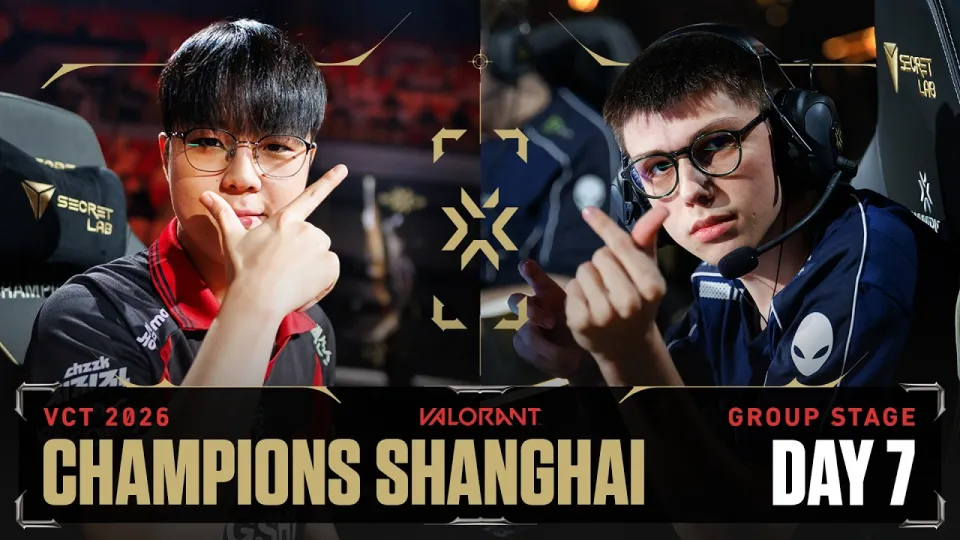
Video: VALORANT Champions Shanghai — Group Stage — Day 7
Need articles like this for your video? They help promote it on YouTube and Google — order them in the Telegram bot @sat_sit_bot. It writes articles around your video, embeds the video and publishes them on popular niche websites (no ads). Try it free: 50 articles on us.
· based on the channel VALORANT Champions Tour
Key takeaways
- VALORANT Champions Shanghai runs September 24 to October 18, with 16 teams from Americas, CN, EMEA and Pacific.
- Day 7 of the group stage was published by the VALORANT Champions Tour channel on October 1.
- Two different Masters champions in 2026 set up Shanghai as the year's biggest test of consistency.
- Viewers flagged a long series of technical pauses during Day 7 broadcasts.
- CN teams became the main talking point after losing eco rounds and 5v2 situations.
VALORANT Champions Shanghai is the 2026 world championship, and the group stage is where 16 teams from Americas, CN, EMEA and Pacific fight for a place in the playoff bracket. To follow it properly, track the format, the schedule windows, the team storylines and the broadcast quirks — then use the official VCT channels for live updates. The fastest way to get real-time announcements and match-day posts is the official VALORANT Esports account on X.
What the VALORANT Champions Shanghai group stage actually is
The group stage is the first phase of the world championship, and it decides which teams advance and which go home before the playoffs. The event runs from September 24 to October 18, and it brings together sixteen squads from four regions: Americas, CN, EMEA and Pacific. Only one of them leaves as the 2026 VALORANT World Champion.
The Day 7 broadcast, published by the VALORANT Champions Tour on October 1, is a full group-stage matchday VOD. That makes it a useful reference point for anyone learning how the tournament is structured, how the broadcast is produced, and how the regional debate around CN teams has formed.
How to follow a group-stage matchday step by step
- Check the schedule before the broadcast starts. Group-stage days are long, and Day 7 alone ran across multiple series with breaks in between.
- Watch the map veto first. The pick-and-ban phase tells you more about a team's preparation than the first pistol round does.
- Track economy rounds separately. Eco wins and 5v2 losses were the exact situations viewers pointed to when criticizing CN teams on Day 7.
- Note technical pauses. The Day 7 chat was dominated by complaints about an endless series of tech pauses, which can reset momentum and stretch a broadcast by a long stretch.
- Watch the closing maps of each series, not the opening ones. Group-stage standings are usually decided by map differential and head-to-head results, so the last map of a series often matters more than the first.
The storylines shaping Shanghai
The 2026 season arrived with a genuine power shift, and Shanghai is where it gets settled. According to the event's own framing, new contenders have emerged, expectations have been broken, and twice at Masters a new champion has risen. That means the group stage is not a formality for the favorites — it is the first place where the season's surprises can be confirmed or corrected.
For viewers, the practical takeaway is to treat every group-stage series as evidence. A team that wins a Masters event but drops maps in Shanghai is showing something different from a team that simply had a good week in the spring.
Why CN teams became the focus of Day 7
The biggest argument around the Day 7 broadcast was about the CN region. Several viewers argued that other regions had stronger teams that failed to qualify for Champions at all, and that CN squads were losing rounds they should never lose. The specific complaints were concrete: losing against eco buys, dropping 5v2 retakes, and running out of ideas when set strategies stopped working.
That criticism is worth reading carefully rather than dismissing. Group-stage VALORANT punishes exactly those mistakes, because the format rewards teams that can adapt mid-series. If a CN team's utility usage looks scripted, opponents in the bracket will exploit it. On the other side, the same matches produced confident claims that China is the strongest region — the debate itself is part of what makes the group stage worth watching.
Technical pauses and broadcast quality
The Day 7 chat made one thing clear: technical pauses were frequent enough to become the story. Viewers described an endless series of tech pauses, and some asked directly why there were so many. For a VOD audience this matters less, since you can skip ahead, but for live viewers it breaks the rhythm of a matchday.
A practical approach is to watch the VOD rather than the live feed when a day has a bad pause record. You keep the full series, you skip the downtime, and you still get the analyst segments and the map results. The official channels below publish the schedule and any changes to it.
Useful links for VALORANT Champions coverage
- VALORANT Esports on X — match announcements and results
- VALORANT Esports on Facebook
- VALORANT Esports on Instagram
- VALORANT Esports on TikTok
- VALORANT on Twitch
What to take away from the Shanghai group stage
The group stage is a filter, not a final answer: it separates teams that can adapt from teams that only execute prepared plays. The Day 7 broadcast shows both sides of that — sharp individual moments, and long stretches of downtime caused by technical pauses. Use the VOD to study economy rounds and retakes, because those are the situations that decided the loudest arguments around CN teams. Follow the official VALORANT Esports account on X for schedule changes and results as the bracket takes shape. The VALORANT Champions Tour channel is the source for the full matchday broadcasts and the best place to compare what analysts say with what actually happened on the server.
Source: VALORANT Champions Shanghai — Group Stage — Day 7 · Markdown version
Questions & answers
How many teams play in the VALORANT Champions Shanghai group stage?
Sixteen teams compete, drawn from four regions: Americas, CN, EMEA and Pacific. They play through the group stage for a place in the playoffs, and one team leaves as the 2026 VALORANT World Champion. The event runs from September 24 to October 18.
Why were there so many technical pauses during Day 7?
Viewers on the Day 7 broadcast complained about a long series of technical pauses that interrupted the matches. The broadcast does not explain each pause individually, so the practical fix is to watch the VOD and skip the downtime rather than following the live feed.
Are CN teams really weaker than other regions at Champions?
That was the loudest argument in the Day 7 comments. Critics pointed to lost eco rounds, dropped 5v2 retakes and predictable utility usage, while others argued China is the strongest region. The group stage is the place to judge it, because map results and round conversions are visible to everyone.
Where can I follow VALORANT Champions results and schedule updates?
The official VALORANT Esports channels publish announcements, results and schedule information. The X account at https://x.com/valorantesports is the quickest for match-day posts, and full matchday VODs appear on the VALORANT Champions Tour YouTube channel.